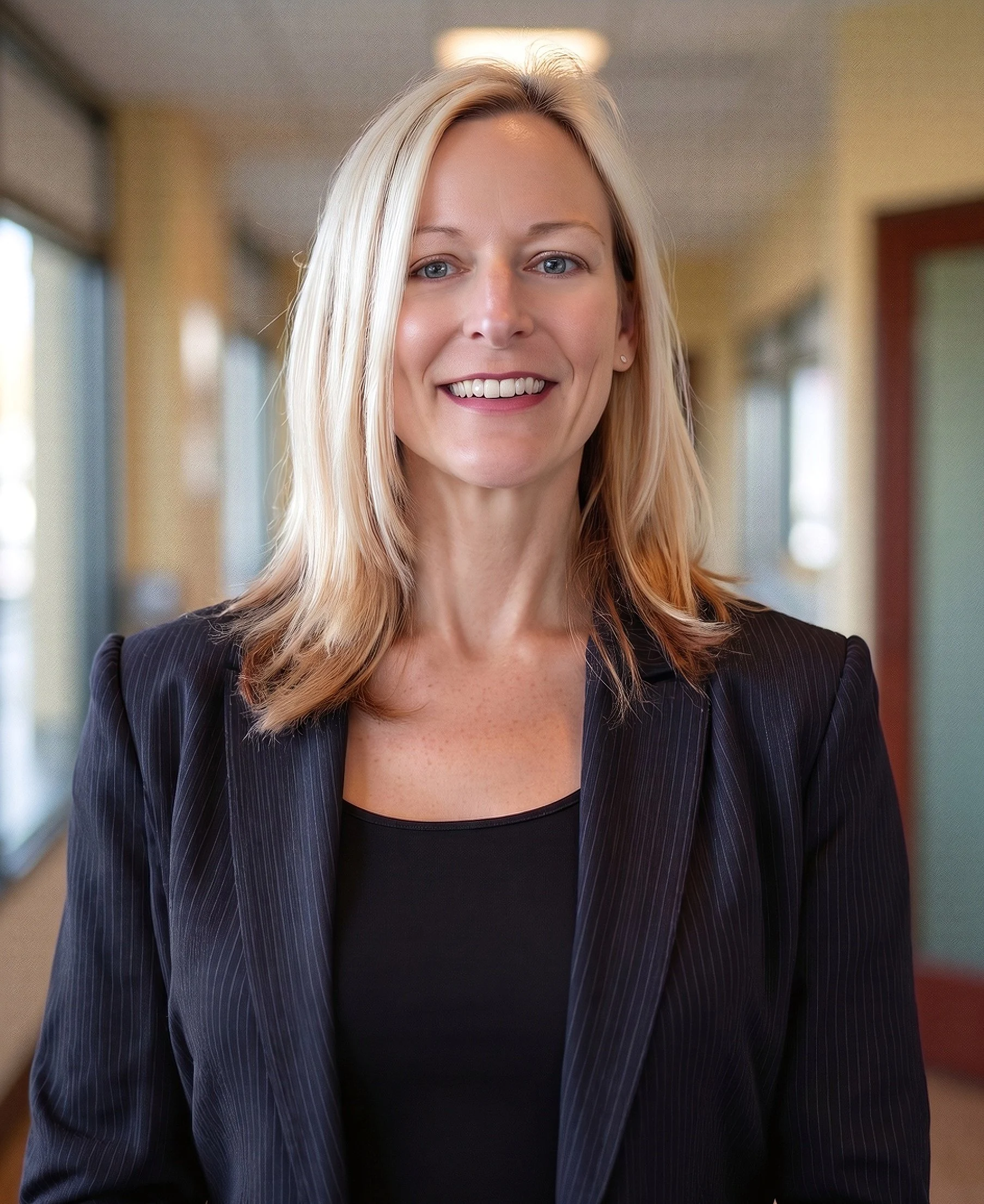
I spent fourteen years at Lockheed Martin. I started as an HR business partner and finished running benefits for an entire business area, which meant tens of thousands of people and the kind of compliance surface that does not forgive improvisation. It was an excellent education. Large institutions teach you what happens when structure is done properly, and what happens when it is not.
Then I did the opposite. I built an HR function from nothing at an early-stage company. No policies, no systems, no precedent, no one to escalate to. It was raw, hands-on work — every process created from first principles. Anyone who has done both will tell you they are not the same job.
Most recently I was Deputy Chief People Officer at a global SaaS company in the insurance sector, with employees across the US, France, the rest of the EU, the UK, and APAC. Multi-country payroll, works councils, statutory notice periods, and a US population that needed its own foundation built underneath it. The complexity taught me how policy, empathy, and precision must coexist.
Somewhere in there I stopped believing the thing HR is trained to believe. The function got domesticated. Somewhere along the way, HR was bred to protect the company from its own employees. Risk management wearing a lanyard. It is why founders route around it, why employees do not trust it, and why the best people in the profession are exhausted.
That is not what a growing company needs. It needs someone who will build the thing properly and then say the uncomfortable thing out loud, calmly, in the room where it matters.
So I left, and started Feathered HR to help companies fly high.
Twenty years inside. Now on your side of the table.
What I actually believe.
Talent is not the constraint at most companies. Structure is.
The good people are already there. They are being failed by a comp system nobody can explain, a job architecture that was never designed, and a set of processes that exist because of one bad experience three years ago. Fix the structure and the talent you already have starts to compound.
That is unglamorous work. Comp bands. Clean data. Defined roles. Multi-state registrations. Nobody has ever been congratulated for a benefits migration, and everybody notices when one fails.
A single feather is not impressive. It takes a great many of them, arranged correctly, before anything flies.
How I work with clients.
I take a small number of engagements at a time, because fractional leadership done properly is not advisory. I am in your business, in your leadership meetings, making calls with you.
I will tell you what I actually think, including when the answer is that you do not need me yet, or that the problem is not the one you hired me to solve.
And I build toward my own exit. The work is not finished when the structure exists. It is finished when someone on your team can run it.
Let's talk about what you are actually dealing with.
No pitch deck. Just a conversation about whether this is the right fit.